|
Logan County Board
One-year data center moratorium passes in Logan County, Hut 8 ou
[May 20, 2026]
On Tuesday, May 19th, the Logan
County Board held a special regular meeting to discuss another
possible moratorium on data centers in the county. The meeting
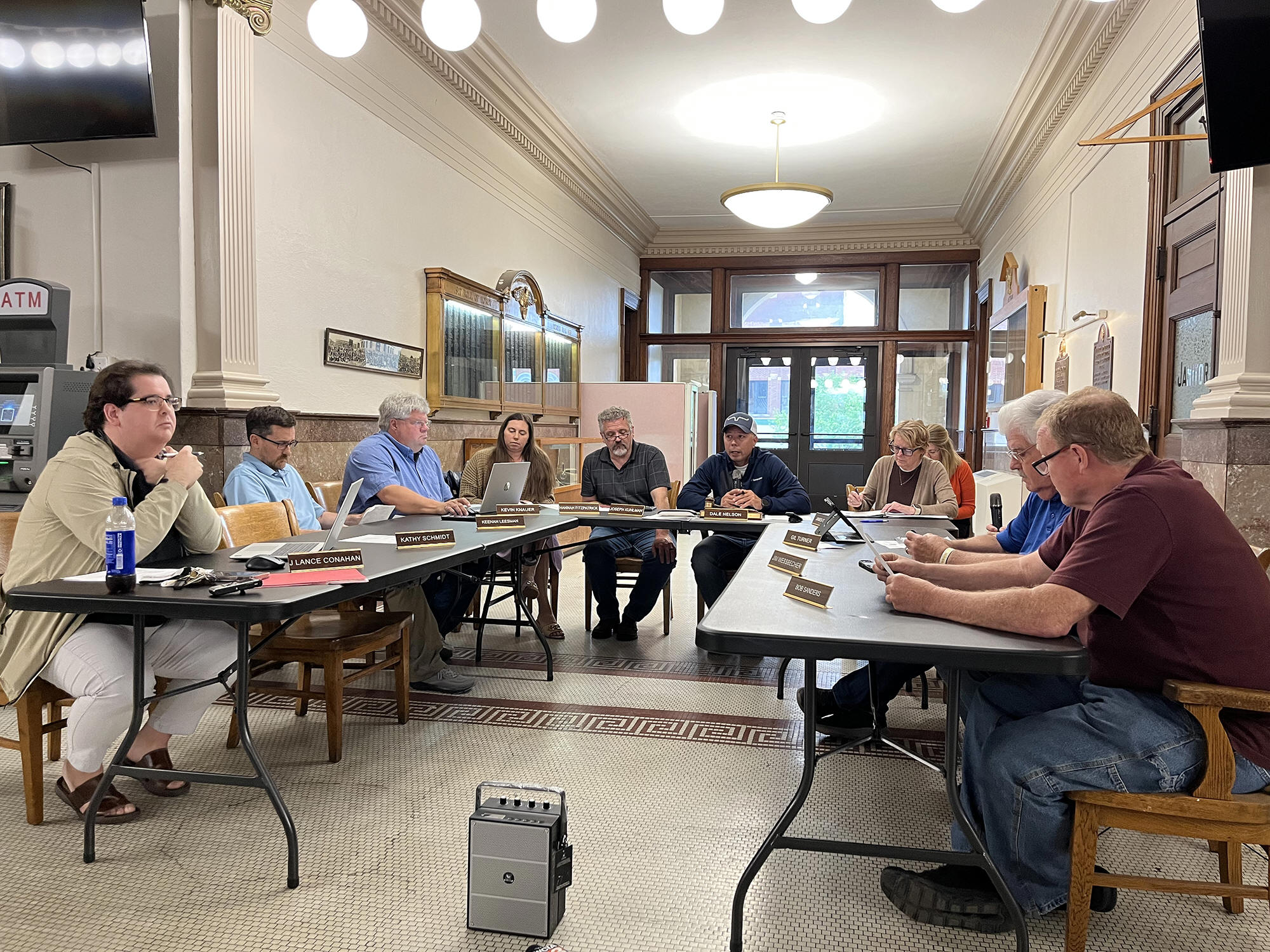
started promptly at 6 p.m. and was held in the rotunda of the Logan
County Courthouse. All members of the board were present with the
exception of Chairman JR Glenn. Those members were Vice Chairman
Dale Nelson, Lance Conahan, Gil Turner, Hannah Fitzpatrick, Keenan
Leesman, Joseph Kuhlman, Bob Sanders, Kevin Knauer, Jim Wessbecher,
and Kathy Schmidt.
Before the invocation was given, Nelson proposed a motion to the
board to allow Schmidt to attend the meeting remotely. The board
passed this motion unanimously. Turner then introduced Jacob
Cranston from Park Meadows Baptist Church to say a prayer. After the
prayer was the Pledge of Allegiance, and then roll call was taken.
After this, guests were introduced.
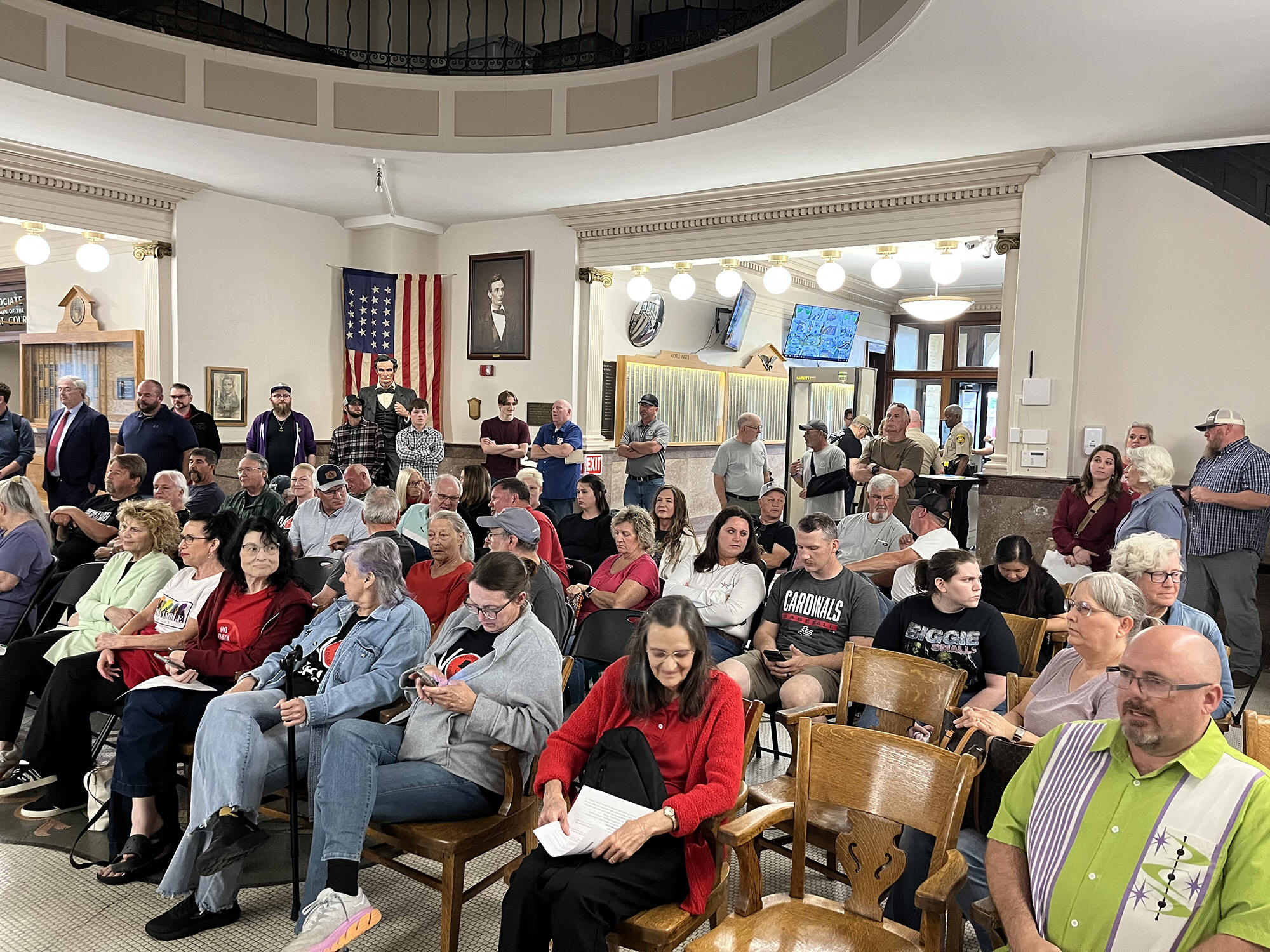
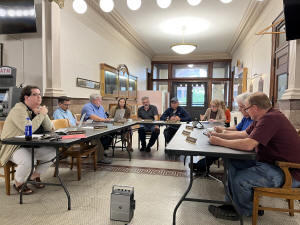
The rotunda was full, with the seats in the center all being taken,
and many standing.
Nelson took the board right into the action item, which was a motion
to approve a 90-day moratorium on data centers in Logan County. This
motion passed out of a special Zoning and Economic Development
Committee meeting last week. Conahan immediately proposed an
amendment to the motion, suggesting a 12 month moratorium. This was
followed by a loud applause from many of those in attendance.
Sanders seconded the amendment and this too was applauded.
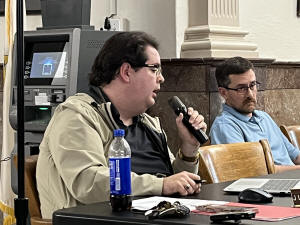
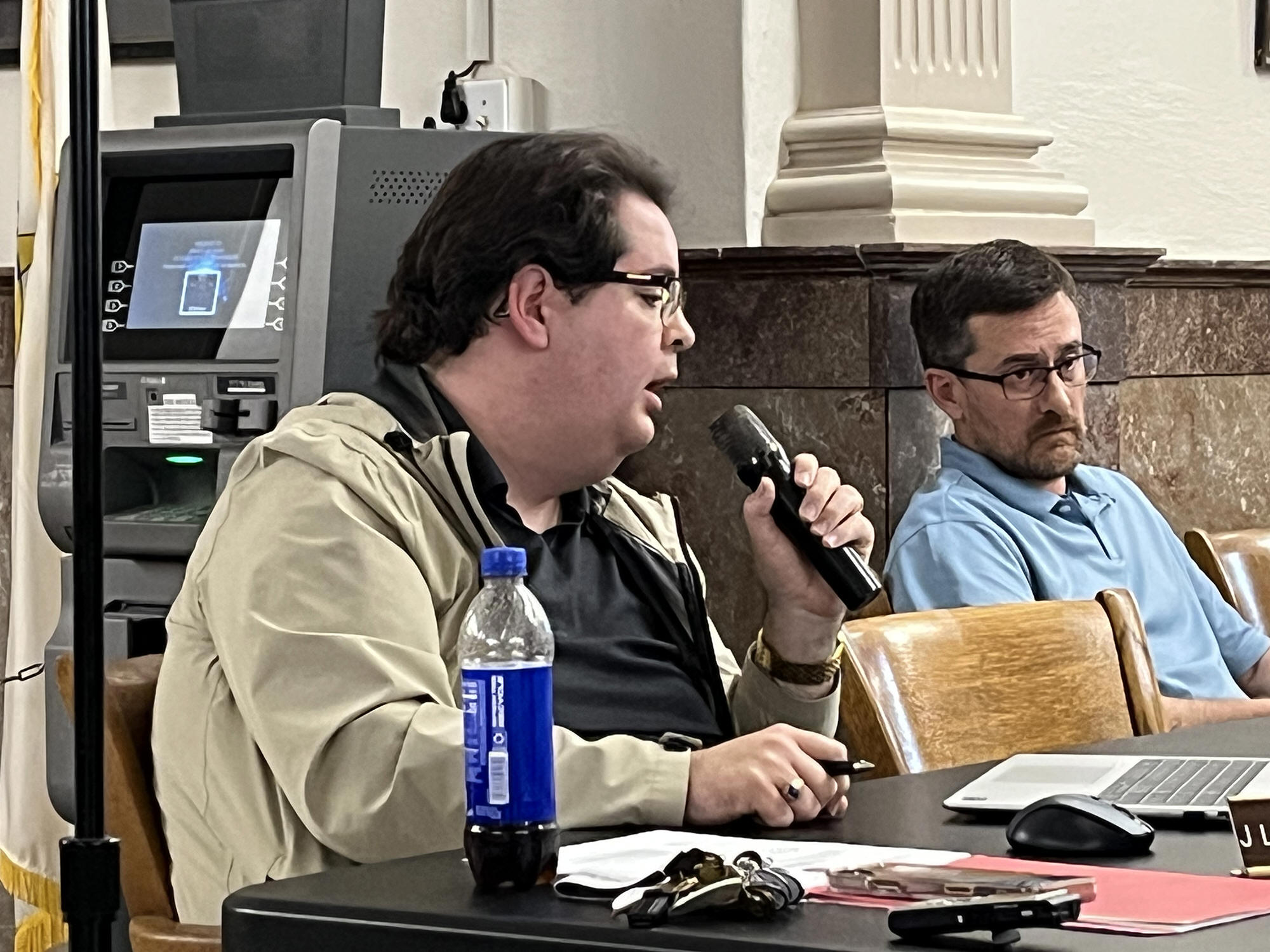
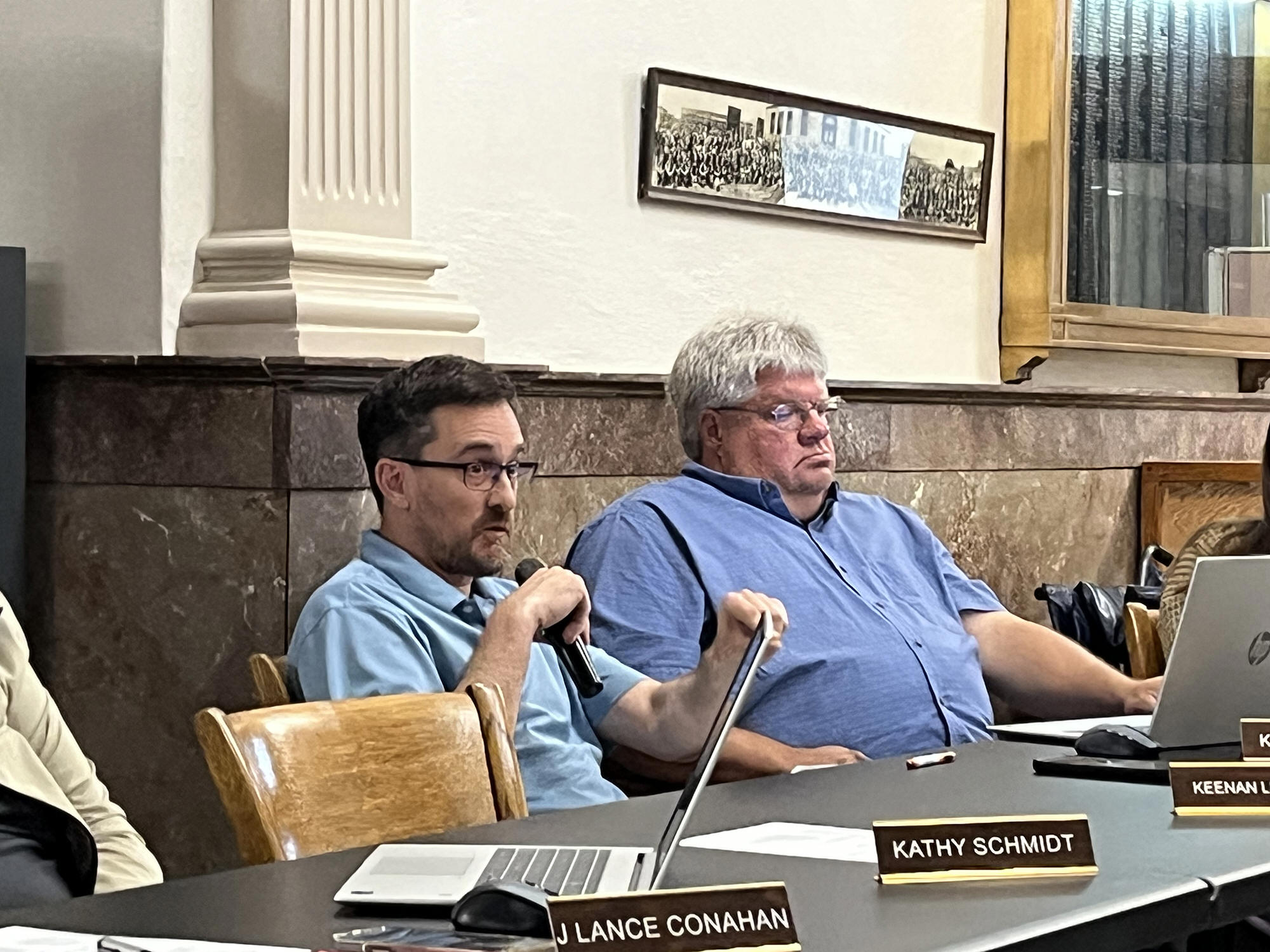
Conahan spoke on the reason for his
amendment, stating that he has been listening to the constituents.
He stated that some were for the data center, but many were not. He
expressed doubt that all the specific numbers that Hut 8 presented
at the special meeting last week were accurate, stating that he has
been talking to the County Assessor about this. He also expressed
concern that whatever shortfall of the $65 million in taxes that Hut
8 promised to pay might stop if the company sold the property or
went out of business. According to Conahan, other counties have been
proposing 12-month moratoriums, which led him to that amount.

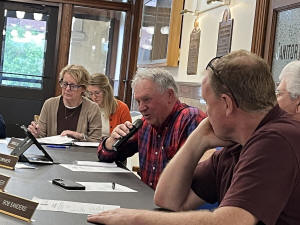
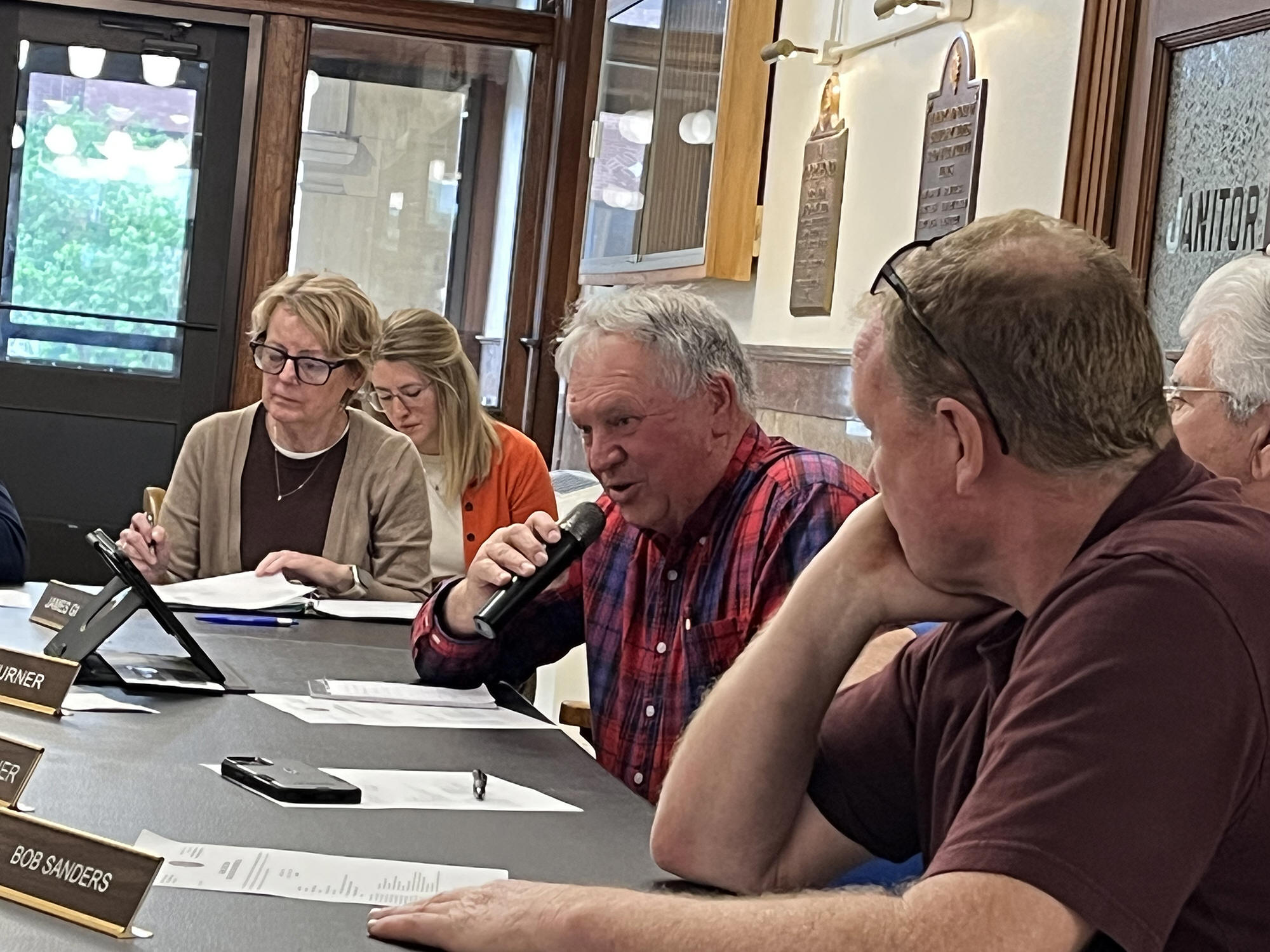
Turner then spoke, first bringing
up that Hut 8 stated at their last meeting that the tax money would
be paid even in the circumstances that Conahan mentioned. He stated
that, in 10 years time, the tax money would be $650 million, and in
20 years, $1.3 billion. He told the people present that he knows
they do not like change, but that they should not be afraid of it.
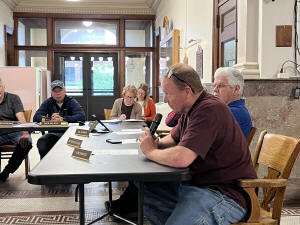
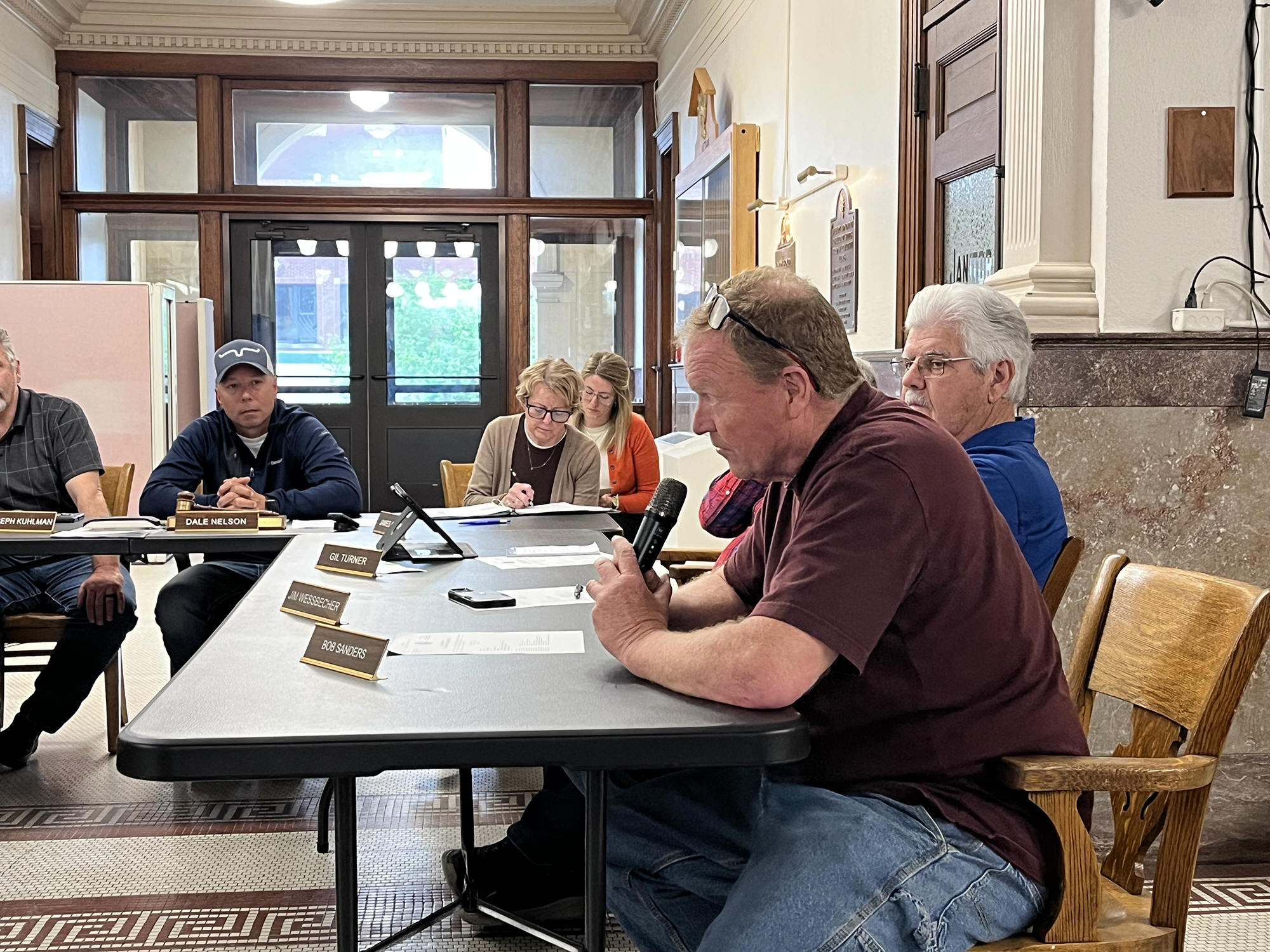
Sanders spoke next, bringing up the
agreement that the County Board had previously made with the company
Cresco. According to Sanders, Cresco agreed to pay money into the
county’s Community Benefit Fund (CBF), but the money stopped after a
while. Since then, however, the county has done anything to make
them pay. He also said that, as a billion-dollar company, if Hut 8
starts hurting for money, they will come after the money they agreed
to pay Logan County.
Turner made an amendment to Conahan’s amendment. This second
amendment was for a moratorium on data centers until the county
could get an ordinance on data centers passed. There was no
discussion on Turner’s amendment, so Nelson then called for a vote
on it. There was some disagreement over whether Conahan or Turner’s
motion should have been voted on since Conahan’s was first. Some
members of the audience were vocalizing their belief that this order
was incorrect. Nelson conferred with County Clerk and Recorder
Theresa Moore, who was at the table with the board, and confirmed
that they must “work in backwards order.”
A vote was taken on Turner's amendment, which failed by a vote of
4-6. The ‘no’ votes were Wessbecher, Conahan, Fitzpatrick, Knauer,
Kuhlman, and Sanders. Conahan’s amendment was voted on next, with it
passing 6-4. The ‘no’ votes on this motion were Leesman, Schmidt,
Turner, and Nelson.

[to top of second column] |

Leesman was next to speak,
asking the board members what the plan would be for those 12
months. Conahan stated that several members of the board would
be leaving soon, and that the data center is one of the most
important things to the county at the moment. He mentioned that
study the county wanted to do after the 60-day moratorium never
came to fruition. He stated that, while he understands the
county is “strapped” for money, he feels that there is a lot of
“fat” in the budget.
Sanders spoke on getting conflicting messages from lawmakers at
the state level. According to Sanders, some of them are saying
that a bill requiring Illinois counties to accept data centers
is in the works, while others say the state is going to leave
this up to the counties. Knauer stated that, according to his
conversations, he found out a lot of people at the state level
are saying “no” to making counties accept data centers.
Turner spoke again, saying that the county has a lot of repairs
to make, especially on their buildings. He stated that if the
county does not find a new source of income, they will have to
raise taxes soon to accommodate. The county is “standing still”
and called the Hut 8 data center “the opportunity of a
lifetime.”
Conahan agreed with Turner that some of the county’s buildings
are deteriorating but is proud of the work that has been done so
far, specifically mentioning some of the completed and upcoming
work on the courthouse. He stated that he is okay doing this
work "in moderation,” and suggested that the county could take
out a bond.
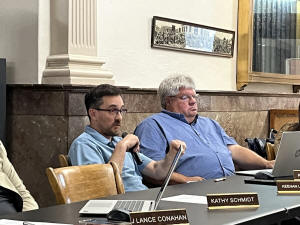
Leesman spoke again, bringing up
what might come in the place of the Hut 8 data center. He stated
that, as of June 1st, the law will change, requiring Illinois
counties to accept battery storage facilities. He continued that he
is sure something will be built on the plot of land that Hut 8 is
looking to build on. Leesman said, should it be a battery storage
facility, that could also attract new wind and solar projects to the
county. According to a conversation Leesman had with Zoning Officer
Al Green, there are discussions of putting a solar project right
next to a battery storage facility on that plot of land.
Leesman continued, stating that he is more concerned with the
environmental impacts of a battery storage facility than he is about
a data center. While he admitted that neither would be great, with
the data center, the county would be able to have more control over
what Hut 8 does with the land. With battery storage, those
regulations have already been set by the state and are out of the
county’s hands.
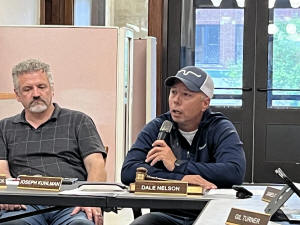
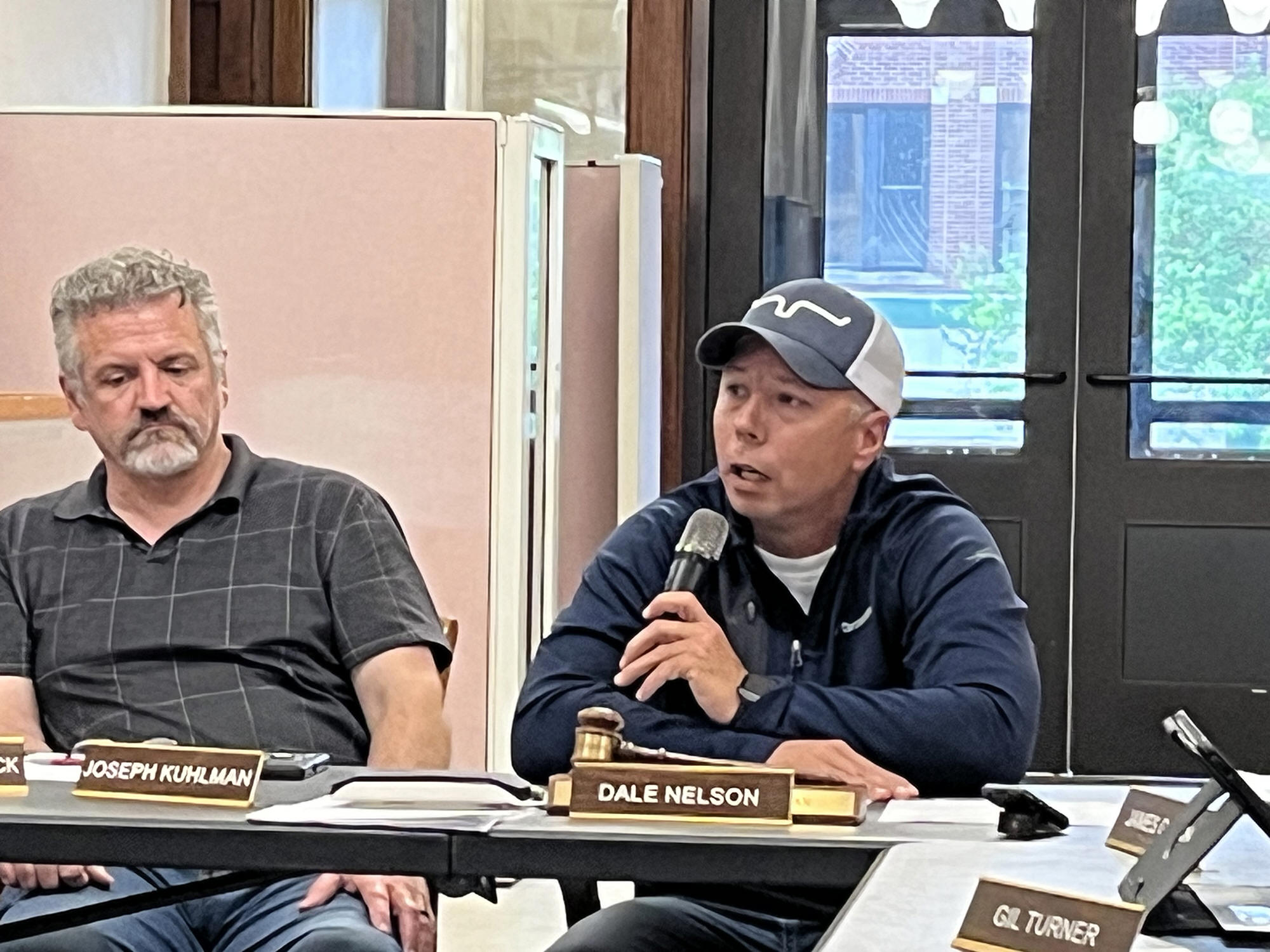
Nelson then spoke, stating that any
amount Hut 8 pays short of the $65 million would go directly into
the CBF. This, Nelson argued, would give the county more control
over where to put that money and what to spend it on. He then asked
when the county gives back to the community.
After a few more comments, the board took a vote on the motion.
After the vote, Nelson stated that they had lost Schmidt, so there
were only nine votes rather than ten. The full motion for the
one-year moratorium passed by a vote of 6-3, with Leesman, Turner,
and Nelson each voting ‘no.’ This was followed by a loud applause
from the audience.

According to the Hut 8
representatives at the special meeting last week, they only had
about two weeks to let Ameren know if they were going to be paying
for the infrastructure upgrades that would be required for their
data center. Should they not pay, the upgrades would not be done and
the proposed data center project would die. With the passing of this
moratorium, the Hut 8 project in Logan County has ended.
After this were some public comments. Many got up to thank the board
for passing the moratorium. A few got up to inform the board that
they felt they had made a mistake passing up on the project. There
were some calls for the board to make sure that the ordinance they
pass for data centers “has teeth,” and others commented on taxes.
Some people who had signed up to speak stated that they no longer
wanted to. Once the public comments had concluded, a motion was made
to adjourn the meeting.
[Matt Boutcher]
|