|
Coffee with the Mayor
A new TIF, downtown improvement grants, tourism and more covered at
the October meeting
[October 20, 2026]
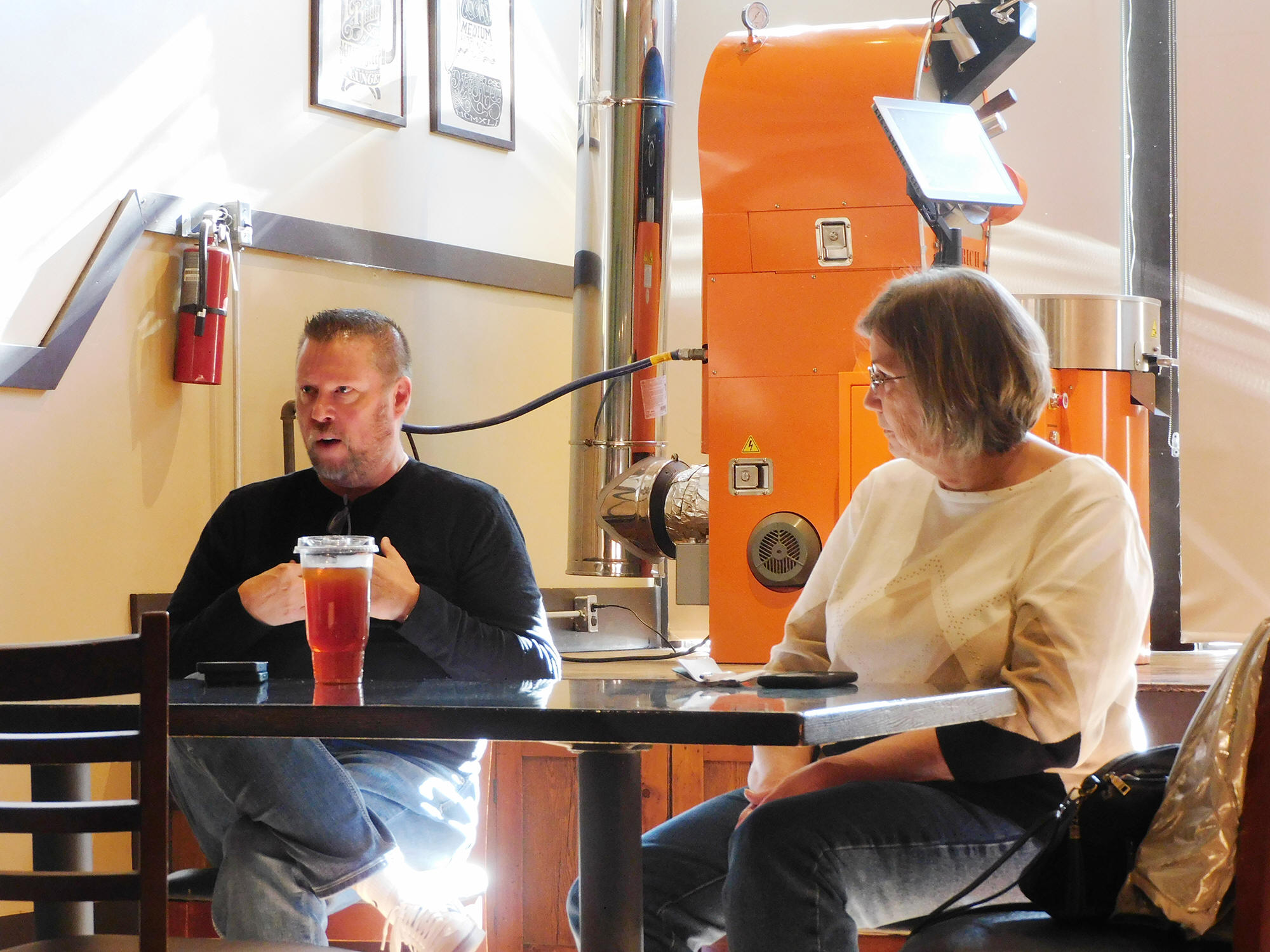
A new TIF district in the city
of Lincoln was one of several topics addressed on Saturday at the
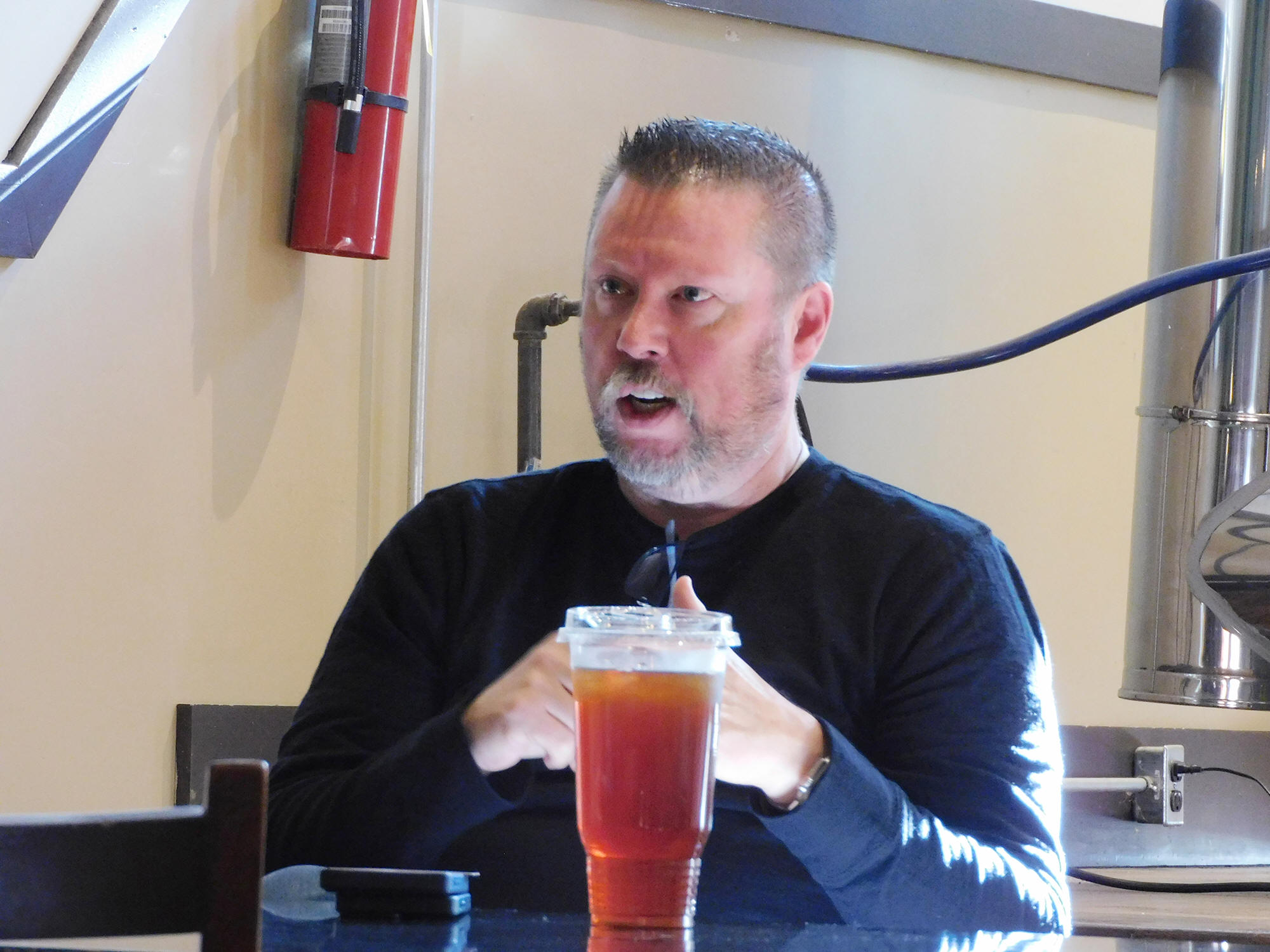
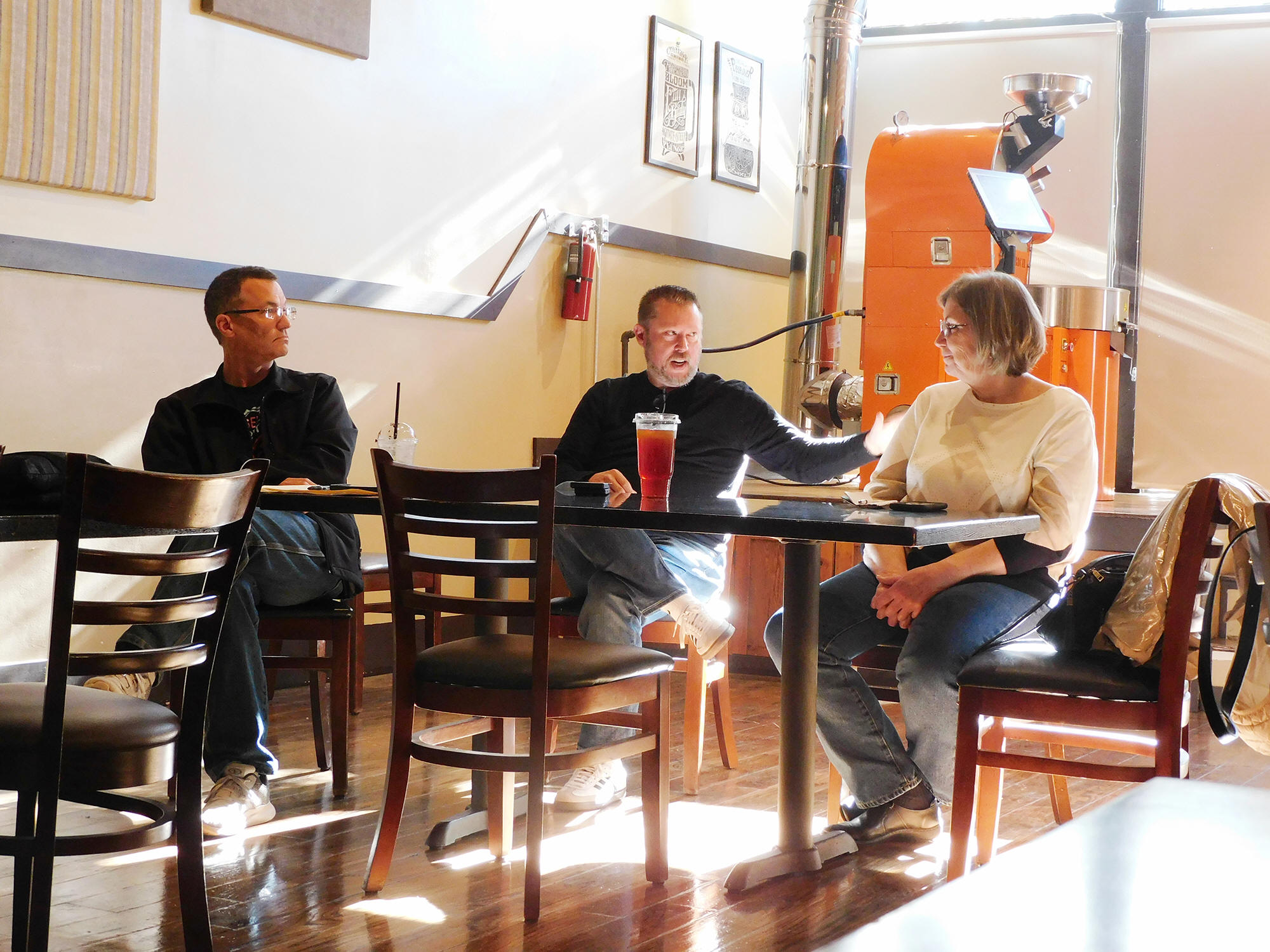
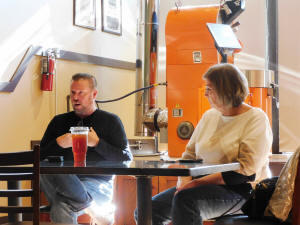
October 17th Coffee with the Mayor. Lincoln Mayor Tracy Welch was
joined by Ward One Alderwoman Robin McClallen and City of Lincoln
Director of Tourism Scott McCoy for an open forum meeting at Guest
House Coffee and Pastries. There were about 20 guests present.
Welch began the morning offering a
run-down of all the events that had occurred within the city of
Lincoln since the last meeting. He touched on the recent acquisition
of the former Lincoln College campus, the New TIF district with the
LC campus at the nucleus, proposed changes to the Logan County
Enterprise Zone, and updates on the Tremont Street and Fifth Street
Road construction projects. Welch shared some details about the two
grants the city is applying for through the CDBG grant program
through the Illinois Department of Commerce and Economic
Opportunity, and shared that he, city attorney John Hoblitt, and
alderperson Time Becke and Rhonda O’Donohue had attended a
conference hosted by the Illinois Municipal League.
One topic that garnered further discussion was the future of the
Lincoln College Campus. Welch shared that there had been a change of
ownership from what was first proposed. Originally Chase Huston had
proposed to purchase the entire campus with multiple layered plans
for the development of the property including housing. Now the
purchase has been divided. Mr. Huston is retaining the dormitories
on campus with plans to repurpose those buildings into up-scale one-
and two-bedroom apartments. The other structures on campus have been
purchased by John Wieland of Peoria. Wieland is then going to offer
those buildings to small businesses and not for profits for an
annual $1 lease, with hopes that those same groups will eventually
want to purchase their spaces at a price far below market value.
Welch explained that when the purchase was announced to the public,
Wieland was referred to as “an anonymous benefactor.” Since that
time, Wieland chose to do an interview with a news source outside of
Logan County where he announced his purchase and the intended use
for said properties.
Welch said that the city will be establishing a TIF or Tax Increment
Financing district with Lincoln College at the nucleus. He explained
why this needed to be done and how it would benefit the city.

He began by talking about the TIF
that is already in place in the city. He said that the first TIF has
been a struggle for the city because it was what is called a “front
loaded” TIF. Front loaded meant that the city borrowed money through
bond issuance in order to finance the construction of the Lincoln
Theater. Then, the goal was to pay the loan payments with the
property taxes that would be paid on the theater. However, that plan
took a turn when the theater owners went bankrupt and the property
was sold for a fraction of its value. He said that after many years
of the city footing the bill for the bond payment from its general
fund, the TIF tax payments have finally reached the point where they
are covering the cost of the loan payment.
The new TIF that the city will implement for Lincoln College is
termed a “Pay Go” TIF. This means that the city will not put cash up
front but will collect the tax increment annually. The money
collected can then be put into projects at the campus.
Welch went on to explain that because Lincoln College was an
educational institution, it was exempt from property tax. That means
that as of the last tax year, there was a zero assessment of taxes
for the property. Now that the campus is owned by private
individuals, there will be a property tax assessment and tax bills
issued.
The way the TIF works is that the assessed value of a property
before the TIF is recorded. Then the new assessment after the TIF
which usually comes with property improvements, is recorded. The
difference between the two tax amounts is paid directly to the city
as a tax increment.
He said because Lincoln College has never been taxed, the current
tax value is zero. When it is assessed this year, the city will be
able to claim all the property taxes which he says should be about
$400,000. The city can then put that money into tax increment
funding for improvement projects at the campus.
He also explained that there are benefits elsewhere including the
fact that when two separate TIF districts are connect or share a
border, then the revenue earned in both districts can be shared back
and forth. He said the two districts will be connected, so the
revenue earned from the LC TIF could be utilized for purposes in the
downtown TIF.
The ultimate goal for the Lincoln College campus is to bring new
business opportunities into Lincoln, and thus increase the jobs
available, and possibly increase the population.
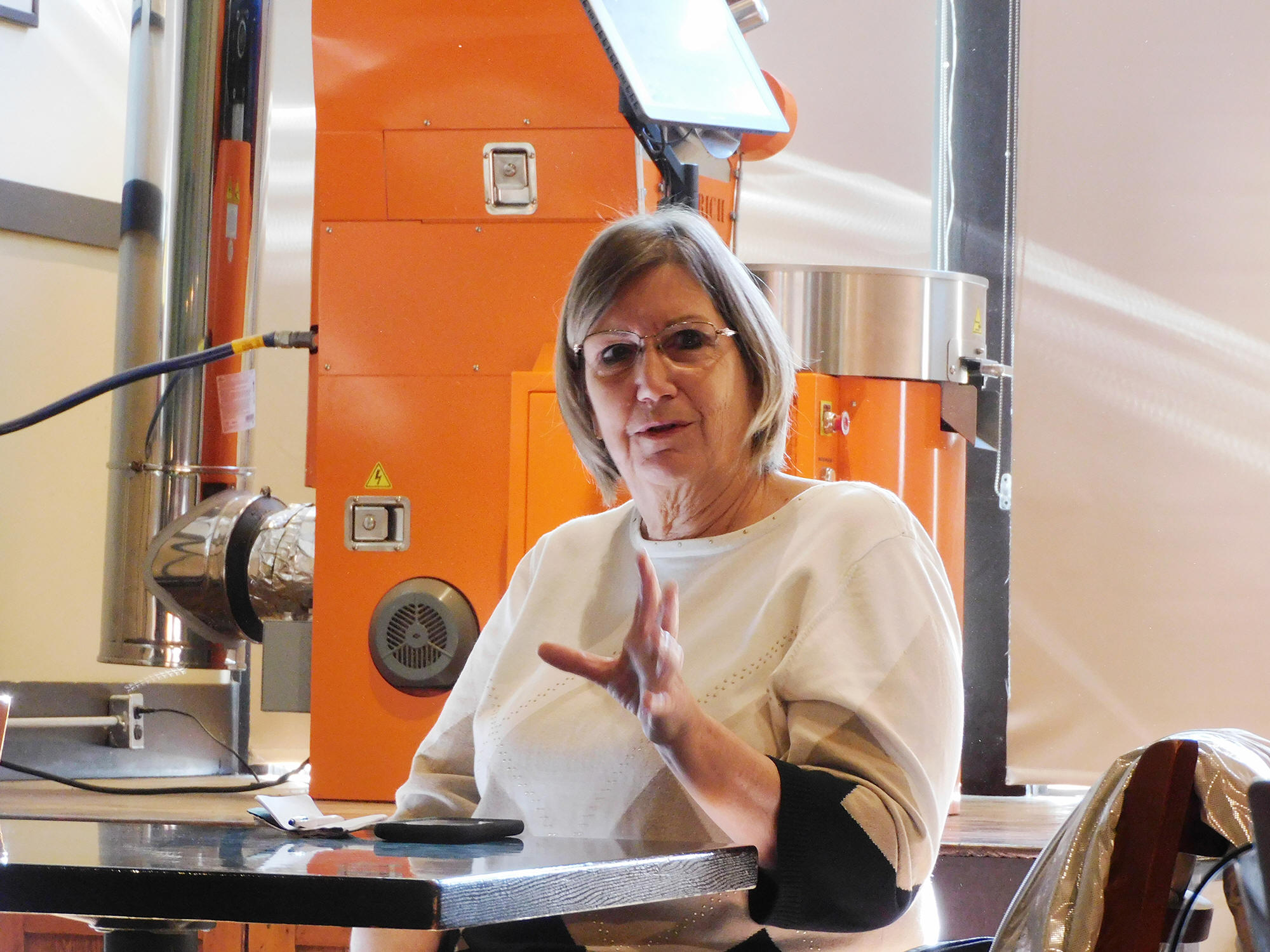
Melissa Breenden, the regional manager for Birth to Five Illinois
was at the meeting and offered up a few comments. She said that with
said increases in the job market and in the population, the need for
affordable childcare is going to increase. She and her guest, who is
a local client of Birth to Five talked about how childcare can cost
more than someone makes on the job. This makes it difficult for
families to justify seeking employment.
That comment led to discussion on
the current childcare options available, a new childcare center on
the horizon via one of the local churches, then segued into the need
for reliable public transportation on a daily basis. It was noted
that there is public transportation available, but that it is
offered by appointment and only on certain days.

[to top of second column] |

In other topics, McClallen shared
that the city is working on a “Welcome to Lincoln” website that will
offer up resources and information about the city for those who are
moving into the area. It was noted that McClallen has reached out to
Lincoln Daily News for some assistance in providing information.
Welch went into a brief discussion about the two grants that are
being applied for through DCEO. The first is for $905,400 for
sidewalk improvements in the downtown area. The second is a
demolition grant in the amount of $250,000 to be used to take down
the former Oasis building at the corner of Pulaski and Kickapoo
Streets. Welch shared that while the building looked stable on the
outside, the inside of the building is destroyed and with each year
the entire structure is becoming less stable. He said there have
been issues with vagrants and juvenile break ins in the building,
and that while it would be nice to save it, the cost to do so would
be probably $3 million or more. He said he would be happy to see
someone take on that project, but after all these years with no
takers, he had no reason to believe it would happen now.
If the city wins the demolition grant, the building will be taken
down, and the property will be converted to green space. Welch said
there has been discussion about using the area as a mini park, a
tourist attraction, and/or a public gathering space.
Welch was asked what happens if the grant application is denied. He
said the city would have to keep trying until it hopefully earned a
grant award.
The last part of the morning was
dedicated to McCoy and discussion on tourism in Lincoln. He reported
that the Museum of Route 66 is about 50 percent complete. He talked
about future installations at the museum including a 4-D theater. He
also shared that the museum is gearing up to accept a donation of
Texaco collectibles from a local collector.
McCoy said that the city had accomplished a remarkable feat when it
was able to open the museum in June of this year. He said the turn
around from deserted bank to museum was impressive. He added that
since the grand opening, the museum has sold 2,000 adult admission
tickets. He said there had been more visitors than that because the
museum had given free admission to several tours coming through
town.
He said the end of October would mark the end of the tourism season
for the year, and he was looking forward to diving into the work of
finishing up the last half of the museum.
Talk moved on to the Welcome Garden at the corner of Pekin and
Kickapoo Streets. The move of the World’s Largest Covered Wagon to
the garden and moving the L-I-N-C-O-L-N letters from the Mel-O-Cream
parking lot to the corner of the park had resulted in a nearly
constant flow of visitors to Lincoln stopping at the garden.
Welch and O’Donohue said that they had heard from businesses along
that block and even into the downtown square area that they had seen
an increase in visitors to their stores. She added that visitors
didn’t necessarily translate to buyers, but it was a start. McCoy
said it was a good start, and that ultimately the goal will be to
turn those visitors into shoppers.

Welch also talked about his Mayor
for the Day with student Laila Fulk. He said it has been a fun day
for him and the youngster, who at one point in time fired the mayor
as well as the city treasurer so she could run the city full time
and spend the money where she wanted to spend it. There had also
been a firefighter breakfast at the station that same morning, and
Mayor Fulk and Welch had entertained the local third graders in the
mayor’s office.
Welch said he loved the interaction with Laila and hoped to host
future Mayor for the Day events in Lincoln.
After nearly 90 minutes, the Saturday morning coffee with the mayor
ended. Coffee with the mayor is held at Guest House Coffee and
Pastries every other month. The next event will be scheduled in
December with the date to be announced.
[Nila Smith] |