Health and hidden toxins workshop teaches strategies for improving
health
[February 14, 2026]
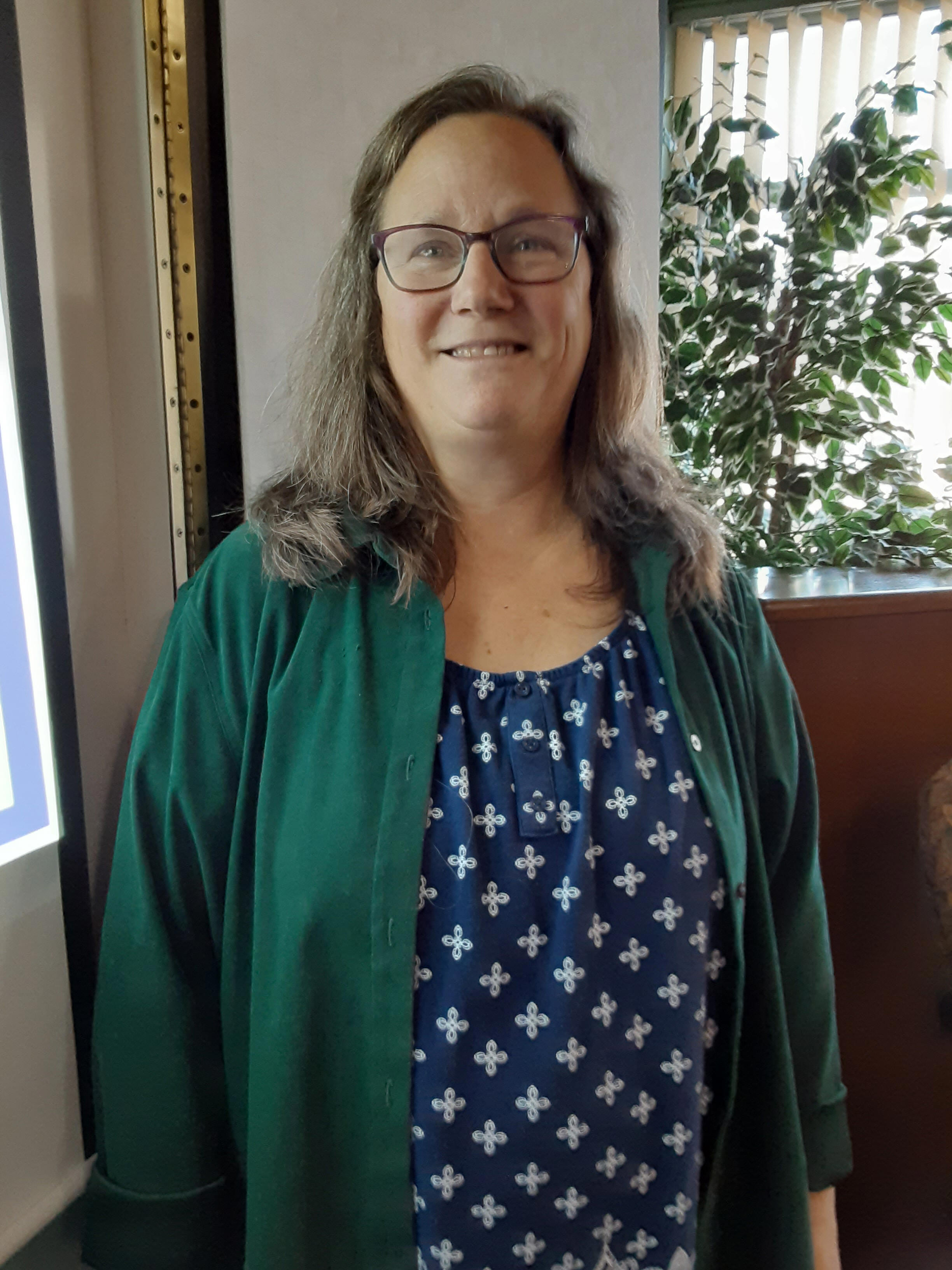
The Lincoln Park District hosted a health workshop on Tuesday, February
10 entitled “Your Health and Hidden Toxins Around You: What You Can’t
See, Can Hurt You” presented by Marci D’Andrea, licensed nutritionist,
dietitian, and health coach. D’Andrea is the founder of Living Hope
Wellness Coaching and brings a wealth of knowledge and a passion for
health education to her workshops. This workshop was presented in the
Park District’s comfortable conference room and was offered as both
morning and evening options.
The goal of D’Andrea’s workshop about hidden toxins was to improve
individual health by showing how to remove as many toxins as possible
from the home and body. The EPA indicates that there are 42,000 to
60,000 chemicals currently active in U.S. commerce. While most are
tested, these chemicals are not tested together for interactions.
Chemicals are present all around us in modern life– in our foods as
preservatives, heavy metals, and pesticides; in our environment, water,
and soil as pesticides, metals, and prescription drugs; in our homes as
mold, lead, radon, and flame retardants; in our workplaces as fuel and
solvents; in our personal products, such as deodorant, air fresheners,
make-up, etc.
Toxins can show up where we least expect them. D'Andrea reported a
recent Florida study which examined 46 popular candies, 28 of them
showing elevated and dangerous levels of arsenic. The study indicated,
for example, that more than 96 Nerds nuggets per year and more than 36
Sour Patch Kids pieces both exceed safe levels of arsenic. This study
also looked at bread, baby food, and baby formula and found arsenic in
many brands of these foods as well.

Our bodies absorb toxins from manufactured “forever chemicals” like PFAs,
plastics, and heavy metals, but also from mold and even infections like
strep, Lyme disease, and Epstein-Barr virus can release toxins in the
body. Our food gets contaminated by processing, packaging, herbicides,
insecticides, and fungicides in conventional farming. Our bodies can
absorb toxins from the environment and soil, and toxins can be passed to
embryos from both parents. Our kidneys and liver filter toxins from our
body, but if we get overloaded with toxins, the organs are not able to
filter enough or as effectively, and toxins can get stored in the liver,
muscles, bones, brain, and other tissues.
People may be exercising, eating right, and having good sleep, but are
not able to feel well. At this point it is time to ask what else is
happening in the body? Toxins get stored in tissues, visceral fat, and
organs triggering inflammatory responses, which can develop into
sensitivities to fragrances, chemicals, mold, etc, and many other
symptoms. The body gets overloaded and cannot get the chemicals and
toxins out.
The body’s toxic load can come from inhalation, skin absorption,
digestion, self-administered (e.g. smoking, alcohol, pharmaceuticals),
chemicals, internally-produced toxins, and microorganisms. Signs of
toxic load can include acne, brain fog, headaches, eczema, poor
appetite, gut disruption, sleep disturbance, mood swings, blurry vision,
waking up with a white or yellow tongue, in addition to inflammatory
responses.
The good news is that it is possible to lower toxic exposure. Some steps
to take include: 1. Become aware of what is in the products that you
use. 2. Eat cleaner sources of food. 3. Install a reverse osmosis water
purification system in your home. 3. Wash food in vinegar and baking
soda, then air dry before eating. 4. Use HEPA air filters in the home
and workplace. 5. Have mercury dental fillings removed by a biological
dentist. 6. Use wool dryer balls instead of dryer sheets. 7. Use
essential oils instead of fragranced products. 8. Avoid "natural
flavors” and “natural scents,” which usually means chemicals. 9. Switch
out one toxic product at a time. 10. Look for products with few
ingredients, the more natural the better. Alternatively, make your own
products, like vinegar cleaner. 11. Consult
www.ewg.org to research cleaner
products of all kinds. This non-profit organization keeps track of the
“Dirty Dozen”-- the 12 fruits and vegetables with the most pesticides,
which should be purchased as organic, and the “Clean Fifteen”-- the 15
fruits and vegetables with the least pesticide contamination.
[to top of second column]
|

We can reduce our toxin exposure and we can also open the natural
detoxification pathways of the body. The body is designed to remove
waste, but it is hard for it to remove man-made waste. Detox organs
can get sluggish when overloaded. Many organs participate in
detoxification: lungs, liver, gallbladder, the GI tract, kidneys,
skin, blood, brain, the lymphatic system, and reproductive organs.
We can support our bodies’ detoxification pathways with multiple
strategies: 1. Hydrate, especially with electrolytes. 2. Eat cleaner
whole foods, such as berries, citrus fruits, cruciferous vegetables,
leafy greens vegetables, and artichoke hearts. 3. Eat cleaner meat
sources. 4. The body may need additional supplements and binders. 5.
Support the gut lining; avoid glyphosate, which is sprayed on wheat,
oats, and other foods. 6. Breathe cleaner air (use air filters
indoors, walk in nature and especially in pine forests). 7. Perform
lymphatic massage daily. 8. Spend time on a rebounder or jumping. 9.
Sweat; use a sauna.
D’Andrea offered several options to begin cleansing the body and
environment of toxins. Choose one to get started or work on one goal
a week or even per month. Cleansing Challenge: 1. Remove junk food
and ultra-processed food from your kitchen. 2. Switch out plastic
for food storage and consumption (containers, utensils, straws). 3.
Address home clutter. (Clutter can be stressful). Clear out a closet
or a drawer or a pile of paperwork on the weekend. 4. Get rid of
clothing that you have not worn for several years. Wear natural
fibers. 5. Reduce or eliminate sugar and replace it with protein and
fiber of whole foods. 6. Do a detox. D’Andrea is offering a 7-day
liver detox protocol and detox pathway cleanse with education,
supplements, and support in March.
It can be overwhelming, but everyone can find things that they can
do to take control of their environment and their health. Set a goal
like removing plastics, reducing sugars, or eating more vegetables.
Small changes can add up to significant improvements in health and
wellbeing.

D’Andrea will be offering “Your Health and Hidden
Toxins” workshop again via Zoom on February 24 at 6:30 p.m. The
Lincoln Park District has scheduled an upcoming 5-part lifestyle
series with D’Andrea entitled “Improving Your Health and Wellbeing
Using Lifestyle Strategies,” which will meet every Tuesday beginning
March 31 until May 5 at 9:30 a.m. or 6:30 p.m. Registration will be
available soon on the Park District website. To find out more about
wellness opportunities and Living Hope Health Coaching, click
here.
[Stephanie Hall]
|